
Mattress Skeptic is reader-supported. Some links on this page are affiliate links, and we may earn a commission if you buy through one. That commission never decided which brands appear below. The data did.
By the Mattress Skeptic research desk. Updated 2026. We read owner reports for a living; we do not run a test lab.
Open any “best mattress for back sleepers” list and you can almost predict the roster before it loads. Saatva. Helix. Bear. Leesa. Nectar. The same handful of direct-to-consumer brands, in a slightly different order, on page after page.
So we tried something the listicles don’t. We didn’t test a single bed. We didn’t order one, unbox one, or sleep on one. We read the posts where back sleepers name the bed they actually own, on Reddit and mattress forums, and counted what came up.
The rankings and the real beds barely overlap. The two brands back sleepers mention owning most sit near the bottom of the guides, and one guide favorite is something almost nobody in our reading reports owning at all. That gap is the whole story, and this guide lays both sides of it side by side: the firmness you should actually aim for, what owners report sleeping on, and where the recommendations quietly part ways with the crowd.
How we built this. We are researchers, not a test lab. This guide is assembled from more than 2,400 posts and comments by mattress owners on Reddit and mattress forums, weighed for sentiment, and cross-checked against 11 independent buying guides. We have not slept on any of these beds. Every owner note below is attributed and links back to its source, so you can read it yourself. Prices and trial terms are what we saw on the day of writing and move often, so confirm them before you buy.
The best mattresses for back sleepers, ranked by owners
Ordered by how the people who actually own these beds rate them, not by who pays to be on a list. We have not slept on any of them.
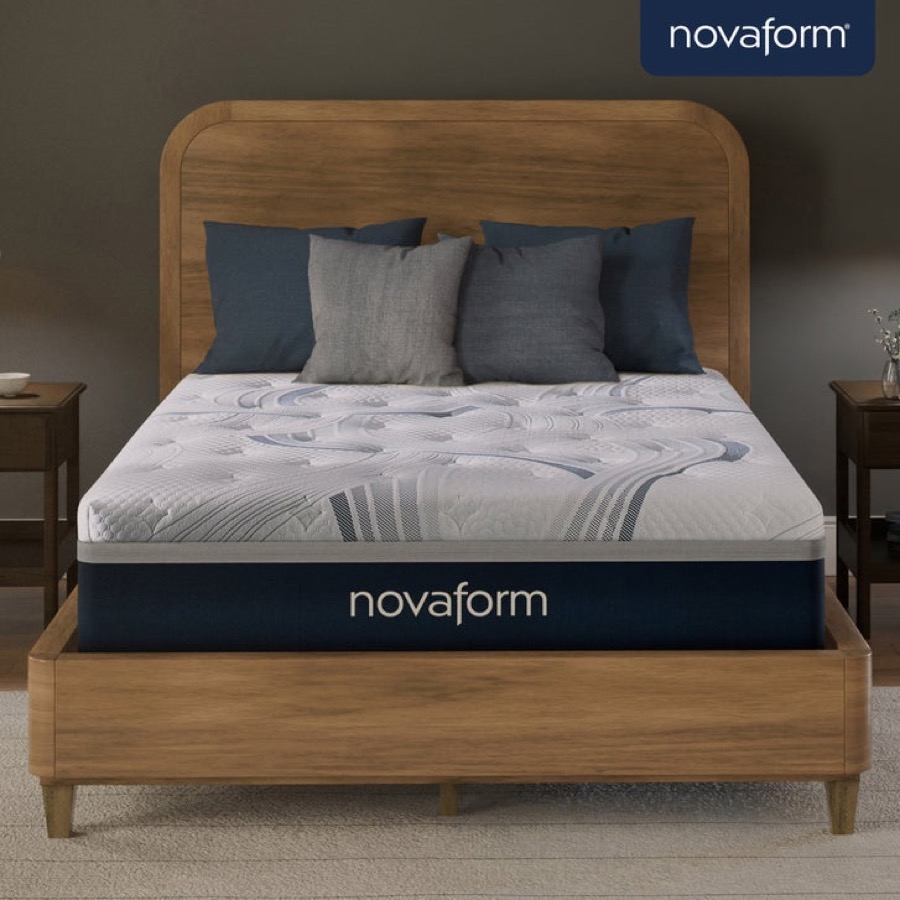
Novaform ComfortGrande
Novaform is the outlier that tops owner sentiment here: a Costco house brand with no affiliate program pushing it, which is exactly why owners, not review sites, are the only ones talking about it. The signal is thinner than the legacy names but leans positive. One ComfortGrande owner calls it one of the best beds they’ve slept on for the cost, noting it sleeps cool and firm without being overly firm, a combination back sleepers often want.
The catch is that ‘Novaform’ alone tells you little, since the line spans several models at different feels. One owner shopping to replace a seven-year-old Novaform found a rabbit hole of versions, and another’s Legacy Premier from Costco impressed at first before the verdict got more mixed. Long-term durability reports are scarce, partly because the current models are recent.
For an average-weight back sleeper who wants firm, low-cost support and the safety net of Costco’s return counter, Novaform is a genuinely reasonable first mattress or guest-room bed. Treat it as strong value for now rather than a decade-long investment, and pick the specific model whose feel matches your weight.
Who it fits Average-weight back sleepers after a low-cost gel-foam feel, sold only through Costco.
See the numbers behind this
9 owners with a clear verdict, 56% positive. named in 0 of 11 buying guides we read. Mention frequency in a self-selected sample, not a failure rate. The linked owner comments in the write-up above are the sourcing.
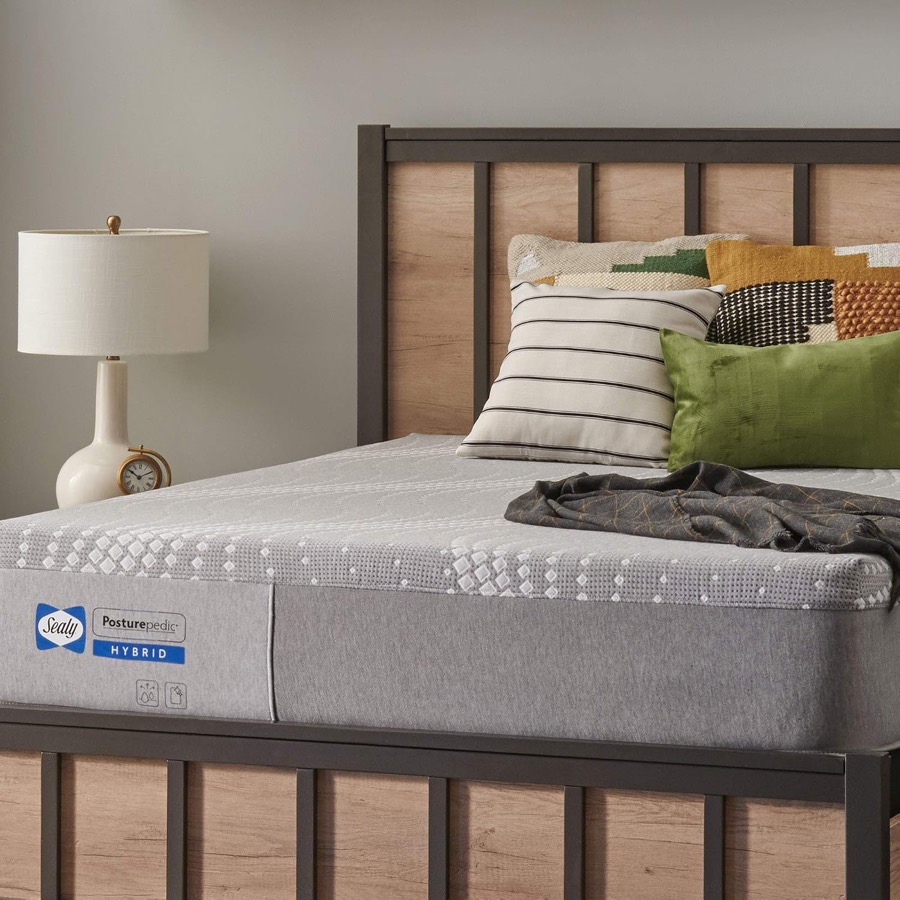
Sealy Posturepedic Hybrid
Sealy is the legacy pick back sleepers actually buy, sold through mattress stores and Costco alike, and it lands second on owner sentiment here despite appearing on none of the guides we read. The draw is zoned innerspring support at a price well under the online-only names, and the long-lived examples are real: one owner keeps returning to a Posturepedic from 2010, another got nearly ten years from a basic Posturepedic.
The theme owners return to is that the model matters more than the name. One found a firm Sealy too stiff until a latex topper fixed it, while a fresh Sealy hybrid from an outlet has been great a month in. Because Sealy sells dozens of feels from plush to firm, two owners can have opposite experiences and both be right.
For a back sleeper who wants firm coil support without the DTC markup, Sealy is a defensible, widely available pick. The owners’ repeated advice is the useful part: buy the specific model and firmness you lay on, not the family name, and check the return window, since the trial follows whichever retailer you buy from.
Who it fits Sold in feels from plush to firm with zoned coils, so most back-sleeper weights can find a match in the lineup.
See the numbers behind this
27 owners with a clear verdict, 52% positive. named in 0 of 11 buying guides we read. Mention frequency in a self-selected sample, not a failure rate. The linked owner comments in the write-up above are the sourcing.
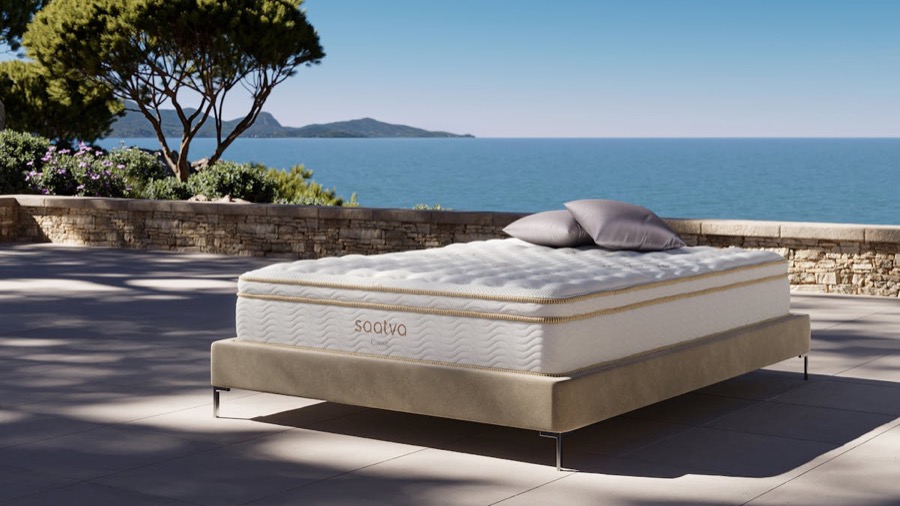
Saatva Classic
Saatva is the bed nearly every back-sleeper guide crowns, and the coil-and-Euro-top build is why: firm lumbar support offered in three firmness choices. Among owners the picture is warmer over the long haul than in the first year. Several keep one a remarkably long time, one household slept on a Luxury Firm for sixteen years before replacing it, and another is still on a twelve-year-old Luxury Firm they love.
The hesitations owners raise sit in the first months, not the decade. One back sleeper found the Classic didn’t work for them after upgrading from a cheaper bed, and while the year-long trial is generous, the $99 transport fee each way surfaces whenever value comes up. Another was perfectly happy with the Classic Luxury Firm yet still weighed returning it. Feel runs supportive rather than plush.
For a back sleeper who wants proven lumbar support, a long trial, and a bed owners tend to keep for years, Saatva is the safe, guide-backed choice. Just know the enthusiasm is steadier at year five than week five, and pick your firmness deliberately since the Classic spans soft to firm.
Who it fits The three firmness choices let light to heavy back sleepers dial in lumbar support rather than accept one feel.
See the numbers behind this
24 owners with a clear verdict, 38% positive. named in 10 of 11 buying guides we read. Mention frequency in a self-selected sample, not a failure rate. The linked owner comments in the write-up above are the sourcing.
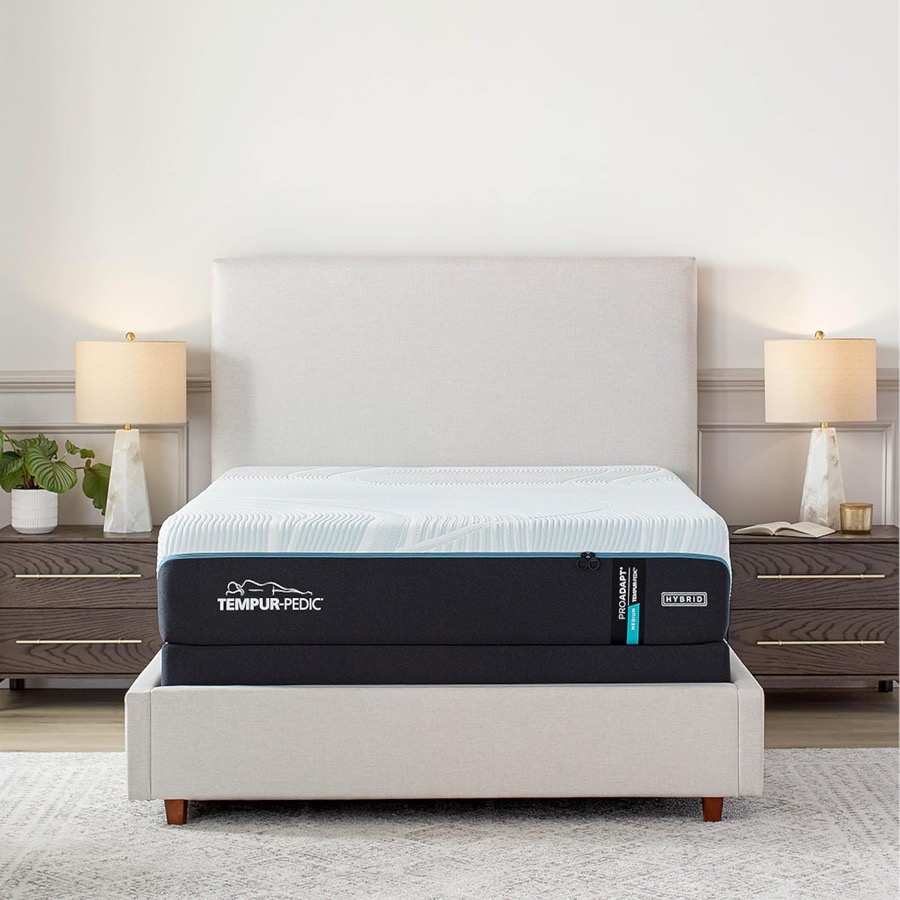
Tempur-Pedic ProAdapt
Tempur-Pedic is the most-discussed bed among the back sleepers we read, and the ProAdapt is the model they name most. The case for it is depth and durability: dense memory foam that molds slowly to the spine and tends to last. One owner’s multi-year ProAdapt review is glowing, and a back sleeper who ran a Tempur medium for eight good years only started noticing a dip on each side after that.
Two complaints recur. Heat is first, that same eight-year owner is moving off foam because they sleep hot, a common refrain for dense memory foam. The early feel is second, one owner disliked a ProAdapt Medium for its lingering off-gassing and never warmed to it. It is also the priciest pick here, with a $175 return fee and a ten-year warranty rather than lifetime.
For an average-weight back sleeper who wants that slow, enveloping contour and can sleep through the warmth, Tempur earns its long reputation, the owners who love it really do. If you run hot or want a springier surface, the same density that draws people in is what pushes others away.
Read the full Tempur-Pedic review, built on 518 owners across 332 Reddit threads.
Who it fits Average-weight back sleepers who want deep, slow contouring and can sleep through the warmth.
See the numbers behind this
53 owners with a clear verdict, 32% positive. named in 1 of 11 buying guides we read. Mention frequency in a self-selected sample, not a failure rate. The linked owner comments in the write-up above are the sourcing.
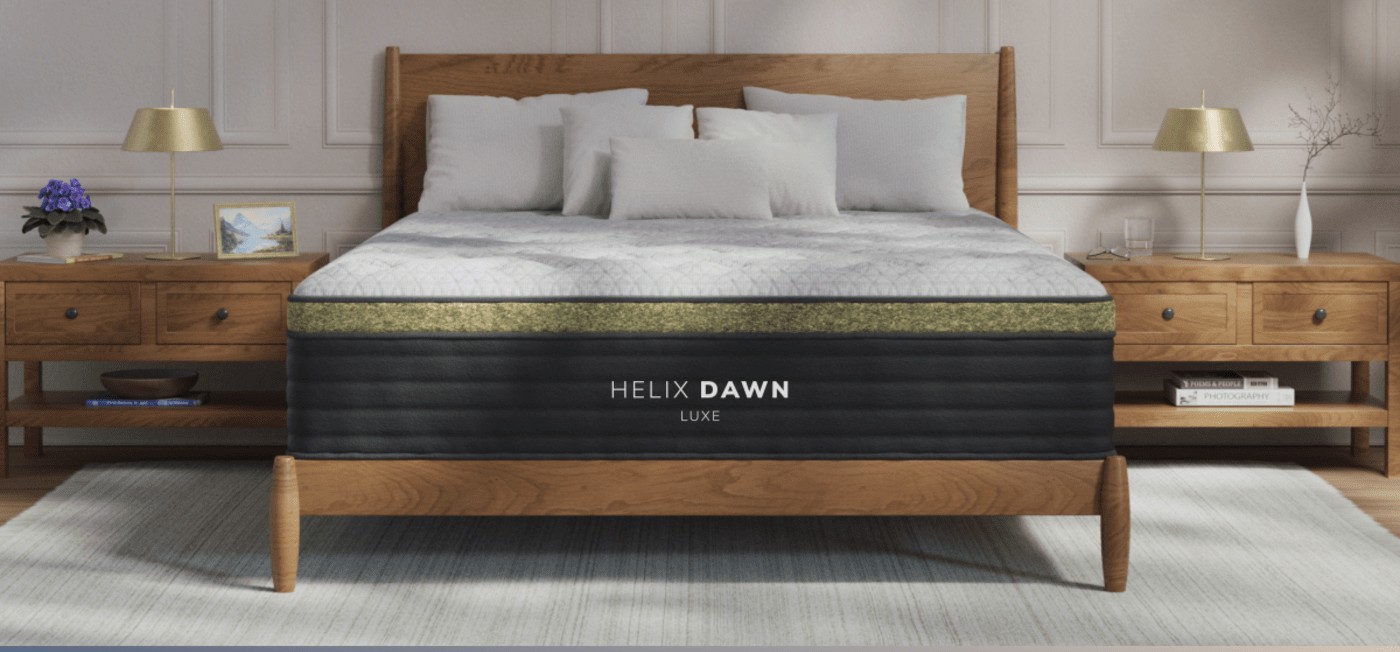
Helix Dawn Luxe
Helix Dawn Luxe is the firm, zoned-lumbar hybrid the buying guides steer back sleepers toward, and on paper it fits the brief: a stiffer coil-and-foam build with a reinforced center. The catch is that most firsthand Helix talk in our reading is about the softer Midnight, so Dawn-specific owner reports are thin, and the broader-line sentiment we could score ran cool.
Two owner themes recur. Support and durability come first, one owner is returning a Helix that sank under the hips while staying firm elsewhere, and another on a firm Helix watched it soften within a year. That first-year settling is the thing to pressure-test during the trial. On the other side, Helix’s customer service earns real praise in long owner write-ups, and the line lets you swap in a different comfort layer if the feel misses.
For an average-to-heavy back sleeper who wants a firm, supportive surface and will use the 100-night trial to confirm it holds, Dawn Luxe is a reasonable guide-backed pick. Very light frames tend to find it too firm, and the owner evidence here is lighter than the guide rankings suggest.
Read the full Helix review, built on 213 owners across 219 Reddit threads.
Who it fits A firm, zoned-lumbar hybrid for average-to-heavy back sleepers; very light frames tend to find it too firm.
See the numbers behind this
11 owners with a clear verdict, 18% positive. named in 8 of 11 buying guides we read. Mention frequency in a self-selected sample, not a failure rate. The linked owner comments in the write-up above are the sourcing.
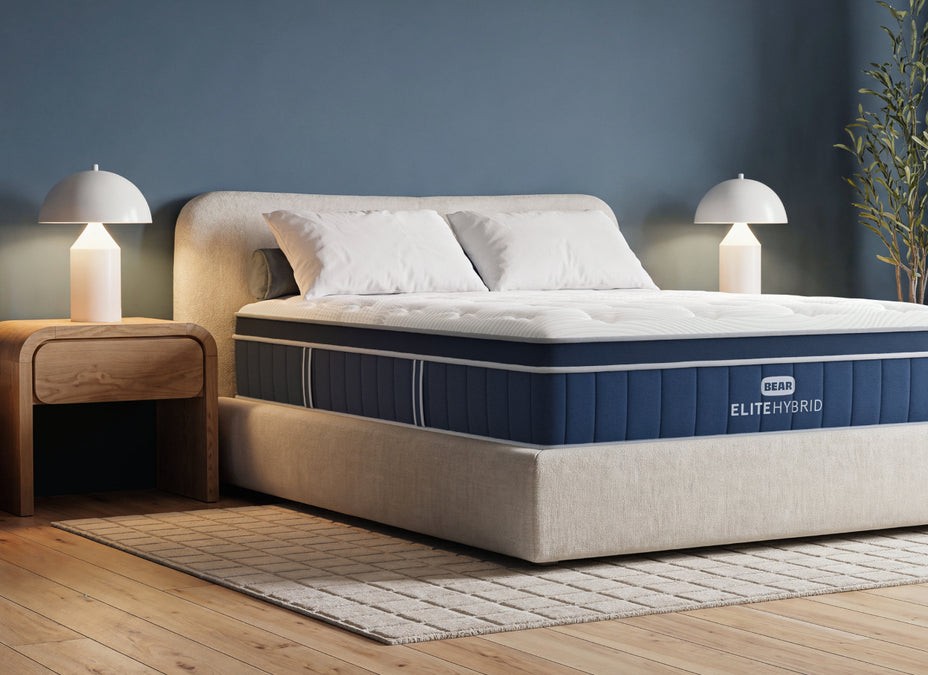
Bear Elite Hybrid
Bear Elite Hybrid is a fixture on back-sleeper guides, marketed hard for spinal support and sold in three firmness builds. It is also the clearest gap on this page between what gets recommended and what owners actually report: in our whole corpus, almost no one writes about owning one, so there are too few clear owner verdicts to score it fairly.
The handful who do own one split. On the happy side, one buyer who found an Elite Hybrid on clearance is sleeping soundly on it after years on a cheap foam bed. Another has owned a Bear Original for a few years and likes the brand enough to weigh an upgrade. Against that, some who tried it found the feel firmer or less cushioning than expected and returned it inside the trial.
The three firmness options and a lifetime warranty make Bear an easy bed to recommend on spec, which is likely why the guides do. Just go in knowing the firsthand owner record is thin, use the 120-night trial in full, and treat the marketing claims as a starting point rather than settled owner consensus.
Who it fits Three firmness builds cover light to heavy back sleepers who want support without a memory-foam sink.
See the numbers behind this
20 owner mentions, too few with a clear verdict to score. named in 5 of 11 buying guides we read. Mention frequency in a self-selected sample, not a failure rate. The linked owner comments in the write-up above are the sourcing.
First, the firmness you’re actually aiming for
Here is the number that matters more than any brand name, and almost nobody leads with it: your body weight sets your firmness, not your sleeping position alone.
Back sleeping does one specific thing. It spreads your weight fairly evenly but leaves a gap at the lumbar curve, the small of your back. The surface has to fill that gap and hold your hips level with your shoulders, so the spine keeps its natural S-shape instead of sagging into a U or arching over a too-firm slab.
That is why back sleepers cluster around medium-firm, a notch firmer than most side sleepers. But weight shifts the target. A lighter body needs a bit less firmness to let the hips settle; a heavier body needs more support underneath so the midsection does not sink. Here is the target set, adapted from the position-and-weight firmness guidance the mattress industry broadly shares:
| Your weight | Firmness to aim for as a back sleeper |
|---|---|
| Under 130 lb | Medium Soft to Medium |
| 130 to 230 lb | Medium to Medium Firm |
| Over 230 lb | Medium Firm to Firm |
Notice the overlap in the middle. Two back sleepers of the same weight can land a notch apart and both be right, because the depth of your lumbar gap and how you carry your weight shift how much fill you need.
If you take one thing from this page and buy nothing, take this: shop your weight band first, then worry about the label on the box. A Medium that reviewers adore will let a 240 lb midsection sink too far, and a Firm favorite will leave a 120 lb back propped up off the mattress all night. The band is the filter that saves you a return.
What to look for in a back-sleeper mattress
Before the picks, the short list of what actually matters when you sleep on your back. Owners circle back to the same handful of things.
- Firmness matched to your weight. The single biggest lever, and the one covered in the table above. A feel that suits a 130-pound frame will sink under a 220-pound one, and the other way around. Shop your weight band first.
- Fill under the lumbar curve. Back sleepers leave a gap at the small of the back. The surface needs to fill it so the hips stay level with the shoulders and the spine keeps its natural line. Owners who describe rolling into a hammock are usually on a bed too soft under the middle.
- Support that keeps the hips level. Cushioning on top is only half of it. Without a firm support layer underneath, the hips settle lower than the ribcage. Hybrids with a coil core, and zoned coils in particular, come up most often for this reason.
- A surface that does not swallow you. Deep memory-foam contouring feels great to some back sleepers and too slow and warm to others. If you shift position or run hot, weigh that trade-off before you commit.
- A real trial window. Back-sleeper fit is personal, and a showroom minute does not tell you much. A trial you can actually use, ideally 90 nights or more, is worth more than any single review.
- Adjustable or two-sided, if you are unsure. A mattress sold in several firmnesses, or one you can soften or firm later, is insurance against guessing your feel wrong.
The beds the guides skip (and why)
Line the two worlds up and one pattern stands out. Saatva, Helix, and Bear sit at the top of the buying guides we read. But among the back sleepers actually posting about what they own, the most-named beds were Tempur-Pedic and Helix, then Saatva and Sealy, with Bear scarcely appearing at all. Sort those same owners by how warmly they talk, and two brands the guides never list, Sealy and the Costco house label Novaform, come out ahead of every direct-to-consumer name.
That is worth sitting with. One bed ranked by five of the eleven guides we checked barely turns up among owners, while the two beds owners speak most warmly about appear on none of them. One honest caveat governs this and every ranking on the page. These are mentions and opinions in a self-selected sample, not a failure rate and not a satisfaction score. People post when they are thrilled and when they are furious, so a brand leading the chatter means it is common, not that it is guaranteed good, and a thin sample like Novaform’s is exactly that: thin.
We can’t say why any particular list leaves a brand off, and we won’t guess at anyone’s motives. But there is a structural reason worth knowing about. Most “best mattress” round-ups, this page included, are funded by affiliate commissions: they earn when you buy through their links. That model naturally favors brands that run affiliate programs, and legacy or warehouse-club labels like Sealy and Novaform often don’t. So a “best for back sleepers” list and a “what do back sleepers actually own” list can diverge for reasons that have nothing to do with how the beds sleep.
None of this makes the listed beds bad. Saatva in particular earns its owner mentions honestly. It just means the two lists answer slightly different questions, and it is worth reading both.
The Bottom Line
There is no single best mattress for back sleepers, and anyone selling you one number is skipping the step that matters. Match the firmness to your weight band first, aiming medium-firm and adjusting for your size. That one filter rules out more wrong beds than any brand ranking will.
Then make a clear-eyed choice about which crowd you trust. You can follow what reviewers rank, mostly direct-to-consumer brands with trials and commissions attached, led by Saatva, with Helix and Bear close behind. Saatva is the rare bed that shows up strong on both sides, guide-endorsed and genuinely owned for years. Or you can follow where owners actually cluster and speak warmly, which pulls in the legacy and warehouse names the guides leave out, Sealy and Tempur-Pedic at the front, with Novaform the budget outlier owners quietly like.
Both are defensible. They are just answering different questions.
Once more, plainly: we did not sleep on any of these. We read what owners report, counted it, and linked it so you can check our work. Start with the firmness band for your weight, then decide which crowd you trust. Sleep on your side or run hot instead? Our side-sleeper and cooling guides cover those.
FAQ
What firmness is best for back sleepers?
It depends on your weight, not just your position. Most back sleepers do best around medium-firm. Under 130 lb, aim Medium Soft to Medium. Between 130 and 230 lb, Medium to Medium Firm. Over 230 lb, Medium Firm to Firm. The goal is filling the gap at your lower back so your hips stay level with your shoulders and your spine keeps its natural line.
Is a firm or medium mattress better for back sleepers?
Usually something in between. A bed too soft lets the hips sink below the ribcage and the back bows; a bed too firm leaves a gap under the lumbar curve. Medium-firm is the common landing spot, but a 120 lb back sleeper and a 240 lb back sleeper can sit two notches apart and both be right. Use the weight bands above as your filter.
What mattress do back sleepers actually buy on Reddit?
Across roughly 877 back-sleeper-focused posts in our reading, ownership mentions clustered on Tempur-Pedic (25) and Helix (24), then Saatva (18) and Sealy (15), with Costco’s Novaform and DTC favorite Bear barely registering. That is mention frequency in a self-selected sample, not a satisfaction or failure rate. Notably, two of the most-owned brands appear on none of the buying guides we checked.
Is memory foam or hybrid better for back sleepers?
Owners report both working, for different reasons. Memory foam (Tempur-Pedic, Novaform) fills the lumbar gap with slow, deep contouring, which many back sleepers like, at the cost of running warmer. Hybrids (Saatva, Helix, Bear, Sealy) pair a comfort layer with coils, often zoned, for firmer support and more airflow. Your weight band and heat preference decide it more than the category does.
What should back sleepers look for to keep the spine aligned?
The deciding thing is fill under the lumbar curve paired with support that keeps the hips level. Too little and the middle drops into a hammock; too much and the lower back is propped off the surface. Back sleepers in our reading most often land on medium-firm hybrids with zoned coils, or dense foam that contours slowly, matched to their weight band.
More mattress guides, by what owners report
Same method, different question: each one ranks beds by what owners actually report on Reddit, not by who pays to sit on a list. Browse all guides.