
Mattress Skeptic is reader-supported. Some links on this page are affiliate links, and we may earn a commission if you buy through one. That commission never decided which brands appear below. The data did.
By the Mattress Skeptic research desk. Updated 2026. We read owner reports for a living; we do not run a test lab.
Open any “best memory foam mattress” list and you can almost predict the roster before it loads. Nectar. Tempur-Pedic. Bear. Tuft & Needle. The same handful of direct-to-consumer foam beds, in a slightly different order, on page after page.
So we tried something the listicles don’t. We didn’t test a single bed. We didn’t order one, unbox one, or sleep on one. We read the posts where foam owners name the bed they actually own, on Reddit and mattress forums, and counted what came up.
Here the two lists tell an unusually sharp story. The bed the guides crown most often, Nectar, lands near the bottom of owner sentiment. The bed owners discuss more than any other, Tempur-Pedic, is named by only a fraction of the guides. And the brand owners rate highest of all, Novaform, appears on none of them. This page lays both sides out: the trade memory foam actually makes, what owners report living with, and where the recommendations part ways with the crowd.
How we built this. We are researchers, not a test lab. This guide is assembled from more than 11,000 posts and comments by mattress owners on Reddit and mattress forums, weighed for sentiment, and cross-checked against 10 independent memory-foam buying guides. We have not slept on any of these beds. Every owner note in the cards above is attributed and links back to its source, so you can read it yourself. One honest note on method: because every bed here is a memory-foam mattress, an owner’s verdict on the brand is a verdict on the material, so we score each brand on how its owners rate it across our full reading, not a thin memory-foam-only slice. Prices and trial terms are what we saw on the day of writing and move often, so confirm them before you buy.
The best memory foam mattresses, ranked by owners
Ordered by how the people who actually own these beds rate them, not by who pays to be on a list. We have not slept on any of them.
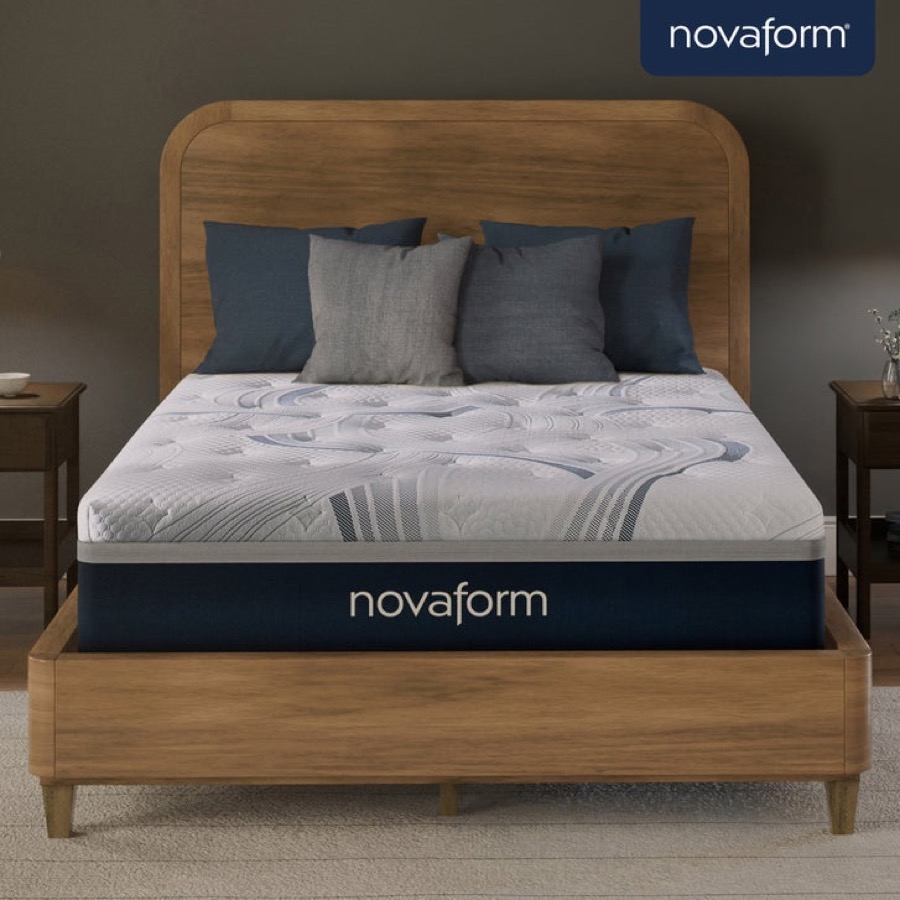
Novaform
Novaform tops owner sentiment on this page, the only bed here rated highest by the people who own it, and it appears on zero of the ten guides we checked. That absence is the tell: it is a Costco house brand with no affiliate program, so owners, not review sites, are the only ones talking. Of 36 clear verdicts, the tone is warm and value-led. One owner really likes theirs, especially for the price, and another calls a tall, medium-firm model comfy and a clear step up from their old budget foam.
Heat, the usual foam complaint, even runs the other way for some: one who returned a hybrid Tempur-Pedic says it cannot hold a candle to this Novaform on cooling. The honest caveat is longevity data. The current lineup is recent, so long-term reports are thin, and one owner seven years in says theirs is starting to feel uncomfortable.
For a foam buyer who wants the most owner-liked option here, the lowest price, and Costco’s return counter behind it, Novaform is the value pick. Just buy the specific firmness you want and lean on that return window.
Who it fits Costco’s house gel-foam line, the warehouse value pick.
See the numbers behind this
36 owners with a clear verdict, 50% positive. named in 0 of 10 buying guides we read. Mention frequency in a self-selected sample, not a failure rate. The linked owner comments in the write-up above are the sourcing.
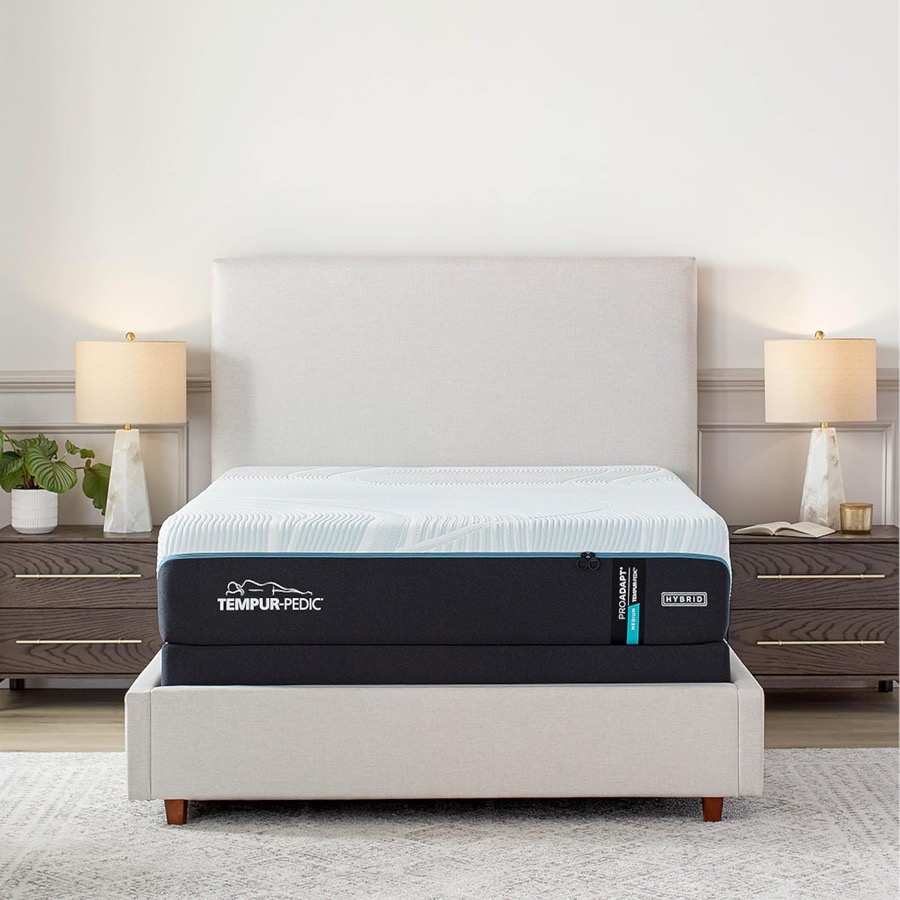
Tempur-Pedic ProAdapt
Tempur-Pedic is the dense-foam original, and by a wide margin the most-discussed bed here: 143 owners in our reading left a clear verdict, more than the other five brands combined. That volume is the story. It is the mattress everyone measures the rest against, yet only two of the ten guides we checked name it. Owners explain the split. The feel is the deep, slow contour foam fans chase, and the durability runs long, one owner pushed through a rough first month and says it has been the best for a decade.
But two caveats recur, and both matter for foam. One owner ran a Tempur medium eight good years before it began to dip, and is moving off foam because they sleep hot. Heat is the constant refrain, and the sink that defines the feel is exactly what traps it. Price is the other wall: a past owner calls them excellent but very expensive and not necessarily better at the money.
For a foam sleeper who runs cool, wants the reference contour, and will pay the premium, Tempur-Pedic is the benchmark. For everyone else, its own owners point toward cooler, cheaper foam.
Read the full Tempur-Pedic review, built on 518 owners across 332 Reddit threads.
Who it fits The dense-foam benchmark owners compare everything else to; runs warm.
See the numbers behind this
143 owners with a clear verdict, 43% positive. named in 2 of 10 buying guides we read. Mention frequency in a self-selected sample, not a failure rate. The linked owner comments in the write-up above are the sourcing.
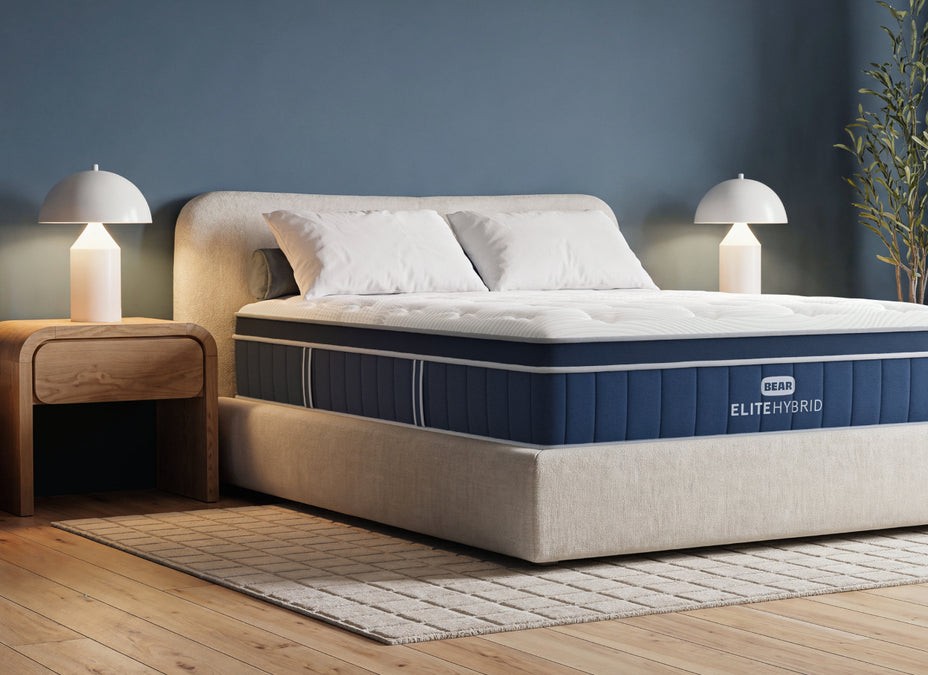
Bear Original
Bear is the firm-leaning foam pick the guides like, named by seven of the ten round-ups, and here the honest headline is how little owners actually say. Only six left a clear verdict in our reading, too few to draw a hard conclusion from, so treat this as a thin signal rather than a settled one. What owners do report lines up with the brand’s pitch: a firmer, more supportive foam feel with less of the deep sink. One who owned a Bear Original for a few years was happy enough to keep shopping the line for the upgrade.
The recurring note is firmness, sometimes more than expected: one who tried the medium found it too firm but genuinely supportive. That is the whole trade in a sentence: this is foam aimed at people who dislike sinking in. Because the owner pool is small, guide enthusiasm is doing more of the work here than owner evidence, the reverse of Novaform or Tempur-Pedic.
For a foam buyer who wants a firmer, less enveloping feel and a long trial to confirm it, Bear is a reasonable try. Just know the firsthand record here is thin, and use the trial.
Who it fits A firmer foam bed pitched at active sleepers who want less sink.
See the numbers behind this
6 owners with a clear verdict, 33% positive. named in 7 of 10 buying guides we read. Mention frequency in a self-selected sample, not a failure rate. The linked owner comments in the write-up above are the sourcing.
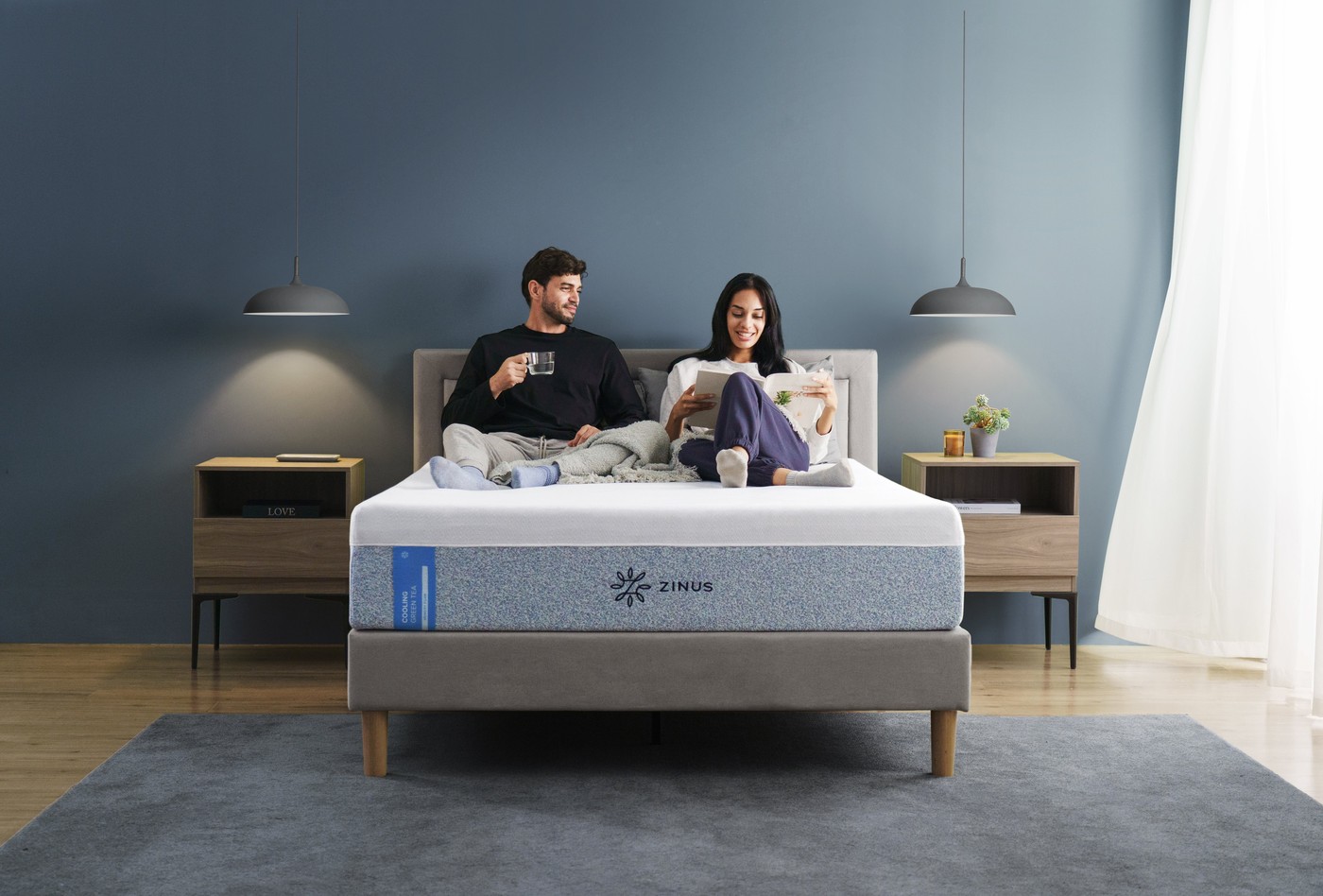
Zinus Green Tea
Zinus is the ultra-budget entry, the Amazon foam bed people buy for a few hundred dollars, and owner sentiment reads exactly like that trade. Of 22 clear verdicts, the split is real. On the value side, the longevity can surprise: one owner got nine years from one and calls that unreal for the price, and another really liked how firm their Green Tea was.
But the caveats are consistent, and they are the foam caveats. Sagging and heat lead: one couple loved theirs but it slept hot and sagged after a couple of years. Quality also runs uneven unit to unit; one owner whose first Zinus lasted seven years says a second, identical order came way firmer and never broke in, and warns to leave the fiberglass-lined cover zipped shut.
So the honest read is a bed that can deliver years of service or soften early, and you do not always get to pick which. For a guest room, a first apartment, or a buyer who treats foam as a two-to-five-year purchase, Zinus is hard to beat on price. Just go in expecting budget-tier consistency, not a decade of guaranteed support.
Who it fits The ultra-budget Amazon foam bed; guest rooms and light sleepers.
See the numbers behind this
22 owners with a clear verdict, 27% positive. named in 0 of 10 buying guides we read. Mention frequency in a self-selected sample, not a failure rate. The linked owner comments in the write-up above are the sourcing.
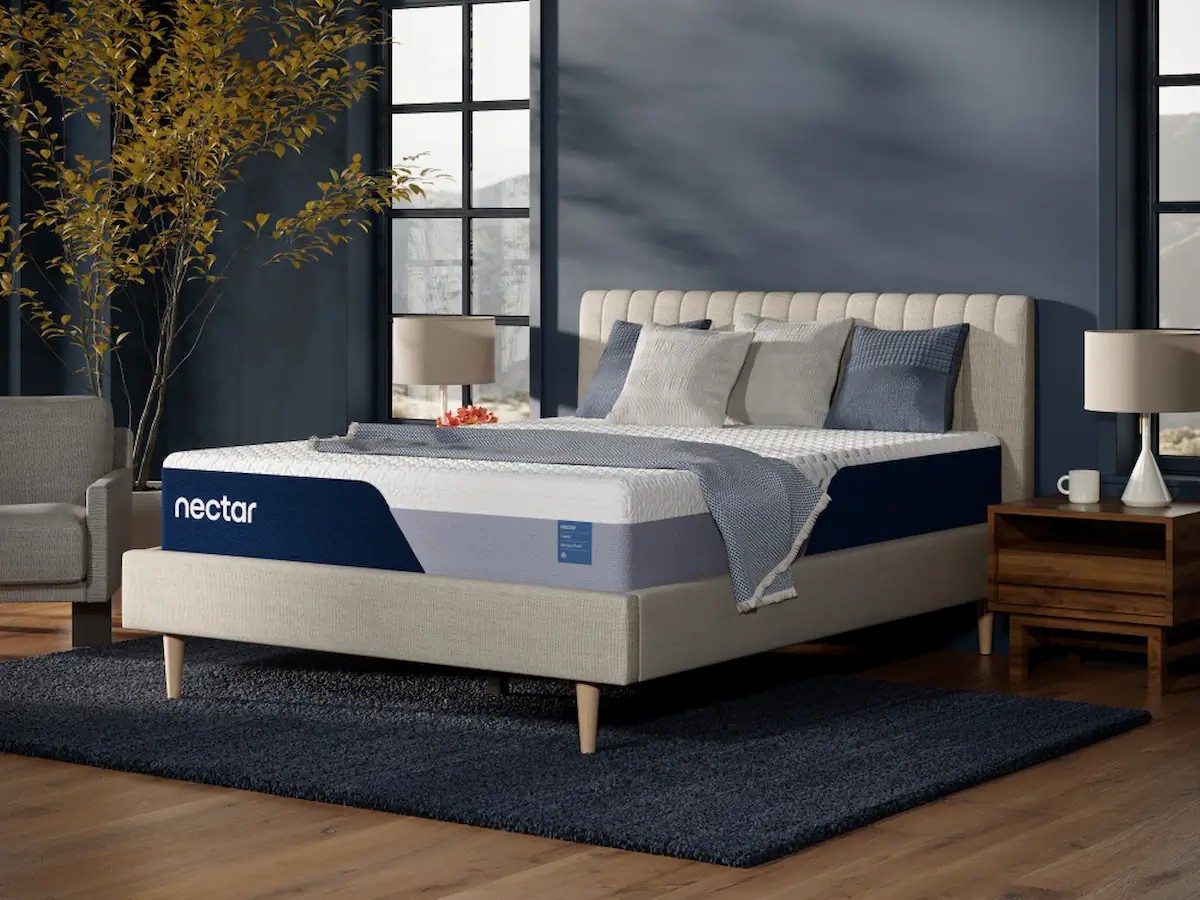
Nectar Classic
Nectar is the guides’ near-universal memory-foam pick, named by nine of the ten round-ups we read, and it is also the widest gap on this page between what gets recommended and what owners report. Firsthand, it sits near the bottom: of 31 owners who left a clear verdict, sentiment skews cool, and the recurring theme is the foam not holding its feel. One owner says the mattress went too soft, and Nectar sent a free foam topper after they complained. Another, seven years into a foam Nectar, calls it just not a good fit.
The long trial and low price are the real draws, and the brand is not without fans: one with an old Nectar says they love it. But the pattern in our reading is a bed that impresses on night one and softens faster than owners want, which is the opposite of how the guides frame it.
For a foam buyer who wants the lowest entry price and a full year to decide, Nectar is defensible, and that trial exists for a reason. Just weigh the guide enthusiasm against the owners who cooled on it over time.
Read the full Nectar review, built on 98 owners across 140 Reddit threads.
Who it fits A low-cost foam bed with a long trial; average-weight foam fans.
See the numbers behind this
31 owners with a clear verdict, 26% positive. named in 9 of 10 buying guides we read. Mention frequency in a self-selected sample, not a failure rate. The linked owner comments in the write-up above are the sourcing.
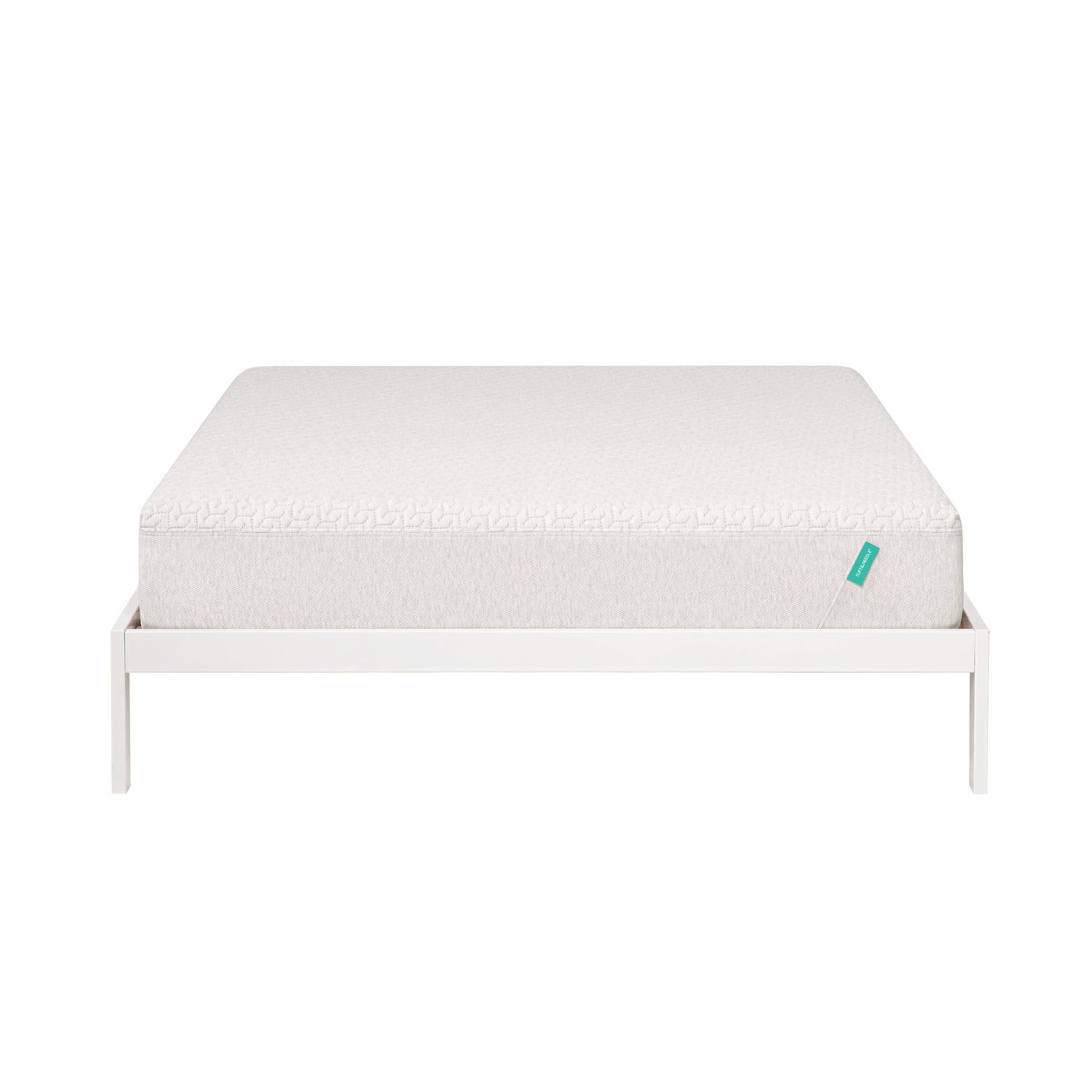
Tuft & Needle Original
Tuft & Needle is the simpler, poly-foam alternative, firmer and cooler-feeling than dense memory foam, and it carries the biggest data caveat on this page: owner reports here are too thin to score. We found only a handful of clear verdicts, one by our count, so nothing below is a pattern, just individual voices. They point in different directions, which is itself worth knowing. On the positive side, one owner has had a Mint for years and says it is still like new, and another misses the old model they bought at Lowe’s for $300.
On the other side, one couple returned a T&N original for sleeping hot and feeling lumpy inside the trial window. That spread, loved-for-years next to returned-in-weeks, is exactly what a thin sample looks like, and two of the ten guides do name it.
For a foam-curious buyer who wants a firmer, less sinking feel at a mid budget with a real trial, Tuft & Needle is a plausible try. Just know we cannot back it with owner weight the way we can Tempur-Pedic or Novaform, so lean hard on the trial and judge it yourself.
Who it fits A simpler poly-foam feel that runs cooler than dense memory foam.
See the numbers behind this
2 owner mentions, too few with a clear verdict to score. named in 2 of 10 buying guides we read. Mention frequency in a self-selected sample, not a failure rate. The linked owner comments in the write-up above are the sourcing.
First, what memory foam actually trades
Here is the thing almost nobody leads with: memory foam is not one feel, and every version of it makes the same bargain. You gain a slow, pressure-spreading cradle and near-silent motion isolation. You give up, in varying amounts, air flow and long-term firmness. Density is the dial that sets how much of each you get.
| Foam density | How it feels | Heat | Longevity and price |
|---|---|---|---|
| High-density (Tempur style) | Deep, slow, enveloping sink | Warmest; holds body heat | Longest-lasting; premium price |
| Mid-density gel or budget foam | Softer, quicker cradle | Warm; gel helps a little | Softens sooner; low to mid price |
| Firmer response foam | Less sink, more push-back | Coolest of the three | Varies; mid price |
That top row is the classic memory-foam experience, and it is also where the two owner complaints live that come up again and again: it sleeps warm, and cheaper versions lose their shape before you expect. The denser and pricier the foam, the longer it tends to last and the warmer it tends to run. The lighter and cheaper it is, the cooler your wallet stays and the sooner the surface can start to soften.
If you take one thing from this page and buy nothing, take this: decide how much sink you actually want before you shop a brand. Someone who loves being hugged by the mattress and someone who hates feeling stuck are shopping for two different products that both say “memory foam” on the box.
What to look for in a memory foam mattress
Before the picks, the short list of what actually matters in a foam bed. Owners circle back to the same handful of things.
- Density, because it drives everything else. Denser foam lasts longer and feels more supportive, but costs more and runs warmer. Lighter foam is cheaper and cooler but softens sooner. This is the real spec, more than any firmness number.
- A plan for heat. Foam holds warmth by nature. If you sleep warm, look for gel, open-cell, or a hybrid coil layer, and read what owners say about temperature rather than the marketing word “cooling.”
- Edge support you can sit on. All-foam beds tend to collapse at the perimeter more than coils do. If you sit on the edge to dress or share a smaller bed, test it.
- Off-gassing on day one. New foam almost always has a smell when it decompresses. For most it fades in a few days, but a few owners report it lingering, so unbox in a ventilated room.
- A real trial window. Foam feels different after your body warms it and it fully expands. A trial you can actually use, ideally 90 nights or more, is worth more than any single review.
- Realistic expectations on lifespan. A $300 foam bed and a premium one are not the same purchase. Decide up front whether you are buying for a few years or for a decade, and price it that way.
The beds the guides skip (and why)
Line the two worlds up and the pattern is sharper than usual. Nectar is the guides’ consensus memory-foam pick, named in nine of the ten round-ups we read, yet among the 31 owners who left a clear verdict it sits near the bottom, with softening and durability the theme that keeps returning. Tempur-Pedic is the opposite case: it is the single most-discussed bed here, with 143 clear verdicts, more than the other five brands combined, and it is named by only two of the ten guides. And Novaform, the brand owners rate highest of the six, appears on none of them.
That is worth sitting with. One honest caveat governs this and every ranking on the page. These are mentions and opinions in a self-selected sample, not a failure rate and not a satisfaction score. People post when they are thrilled and when they are furious, so a brand leading the chatter means it is common, not guaranteed good, and a thin sample like Bear’s or Tuft & Needle’s is exactly that: thin, and not enough to lean on hard.
We can’t say why any particular list leaves a brand off, and we won’t guess at anyone’s motives. But there is a structural reason worth knowing. Most “best mattress” round-ups, this page included, are funded by affiliate commissions: they earn when you buy through their links. That model naturally favors brands that run affiliate programs, and a warehouse-club label like Novaform doesn’t. So a “best memory foam” list and a “what do foam owners actually keep” list can diverge for reasons that have nothing to do with how the beds sleep.
None of this makes the listed beds bad. Nectar in particular earns its long trial and low price honestly. It just means the two lists answer slightly different questions, and it is worth reading both.
The Bottom Line
There is no single best memory foam mattress, and anyone selling you one number is skipping the step that matters. Decide how much sink you want and how warm you sleep first. That one filter rules out more wrong beds than any brand ranking will.
Then make a clear-eyed choice about which crowd you trust. If you want the option owners rate highest and the lowest price with a return counter behind it, that is Novaform, the Costco house brand no guide lists. If you want the reference feel and the longest track record, and you run cool enough to live with the warmth, Tempur-Pedic is the benchmark owners measure everything against, just know it is the priciest here and the most likely to sleep hot. Nectar is the guides’ favorite and the cheapest way into a long trial, but its owners cooled on it over time, so treat that year as the point. Prefer a firmer, less enveloping feel? Bear is built for that, though the firsthand record is thin. On the tightest budget, Zinus buys real foam for a few hundred dollars, with budget-tier consistency to match. And Tuft & Needle offers a cooler poly feel that we simply cannot back with enough owner data to rank.
Both roads are defensible. They are just answering different questions.
Once more, plainly: we did not sleep on any of these. We read what owners report, counted it, and linked it so you can check our work. Decide your feel and your heat tolerance, then decide which crowd you trust. Shopping by sleeping position instead? Our other buying guides sort the same beds by side, back, and stomach sleeping.
FAQ
Does memory foam sleep hot?
It tends to, yes, and it is the most common complaint owners raise. Foam holds warmth by nature, and the denser the foam, the more heat it traps. Owners of dense beds like Tempur-Pedic mention warmth most often. Gel infusions, open-cell foam, and hybrid coil layers all help air move, and some owners find a gel or hybrid foam bed genuinely cool, so if you sleep warm, weight temperature heavily and read owner reports rather than the label.
How long does memory foam last?
It depends almost entirely on density, and owner reports show a wide range. Premium dense foam holds up longest: owners describe Tempur-Pedic beds going eight, ten, even fourteen years before they start to dip. Budget foam is a shorter story, with many owners treating it as a two-to-five-year purchase, though a few Zinus owners report seven to nine years. The recurring caveat across cheaper foam is softening, the surface losing its original feel well before it fully fails.
What memory foam mattress do owners actually buy on Reddit?
Tempur-Pedic dominates the conversation by volume, with 143 owners leaving a clear verdict in our reading, more than the other five brands combined. But volume is not the same as satisfaction: Novaform, the Costco house brand, drew the warmest sentiment of the six from 36 clear verdicts, while Nectar, the guides’ most-recommended pick, landed near the bottom across its 31. Those are mention and sentiment figures in a self-selected sample, not satisfaction or failure rates.
Is a more expensive memory foam mattress better?
Not automatically. More money usually buys denser foam, which tends to last longer and feel more supportive, so at the low end price does track durability. But owners repeatedly say the top of the market stops paying off. One long-time Tempur-Pedic owner called the brand excellent yet very expensive and not necessarily better at double the price, while Novaform draws its warm sentiment largely on value. Match the spend to how long you plan to keep the bed.
Is memory foam or a hybrid better?
They solve different problems. All-foam beds give the deepest cradle and the quietest motion isolation, which foam fans love, at the cost of more heat and softer edges. Hybrids put a foam comfort layer over coils, which adds air flow, firmer edge support, and often a more responsive feel. Owners who run warm or dislike feeling stuck tend to drift toward hybrids or firmer response foam, while those chasing the classic enveloping sink stay all-foam. Neither is better in the abstract; it comes back to how much sink and how much heat you can live with.
More mattress guides, by what owners report
Same method, different question: each one ranks beds by what owners actually report on Reddit, not by who pays to sit on a list. Browse all guides.